
Learn More About Milestone Solutions
Call us at +1-408-200-2211 or fill the form below
*Required Files
Your privacy and security are a top priority. We will not distribute or sell your personal information to any third parties. Please visit our privacy policy page to contact us to review or delete data collected.
Step-by-Step Entity Optimization for "Search Everywhere"
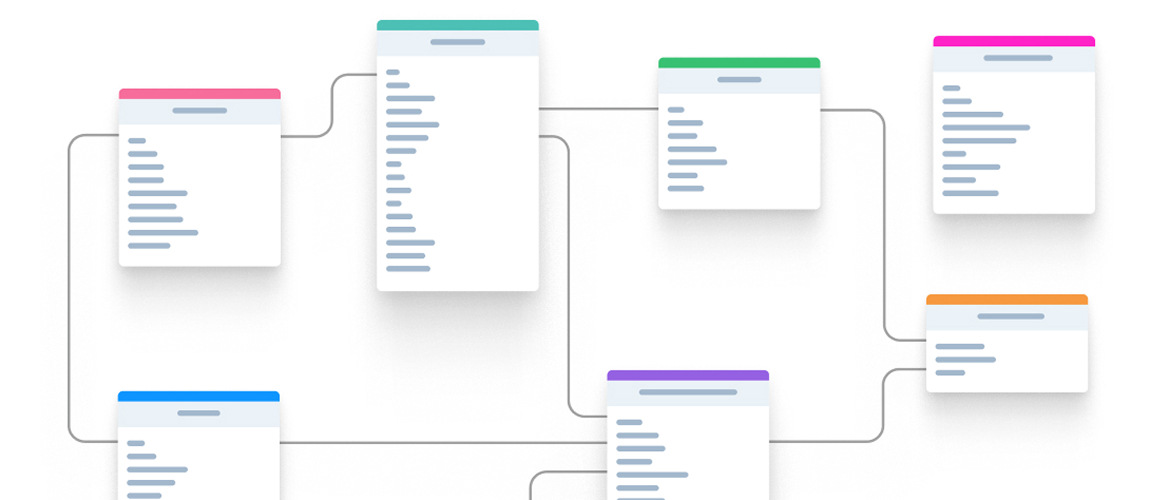
Following the strategic foundation laid in the preceding chapters, we now transition the conversation from theory to execution. The goal of this phase is to move away from fragmented, error-prone schema and implement a deeply nested, scalable architecture that ensures "Search Everywhere" visibility by prioritizing computational efficiency.
This methodology provides a rigorous, five-step playbook for creating an authoritative Content Knowledge Graph (CKG) that machines can trust implicitly, minimizing the need for expensive inference and securing high-confidence citation in generative AI outputs.

Step 1: The Semantic Audit and Foundational Data Cleansing
The deployment process must begin with thorough research and data governance, the foundational phase for any proper schema implementation. The integrity of your structured data relies entirely on the quality of your underlying business data.
- Entity lineage: Identify and catalog the core entities of your business, starting with the primary organizational entity (Organization or LocalBusiness), along with key products and services.
- Data validation: Before any tagging, all business information must be strictly validated against authoritative sources to ensure correct formatting.
- Data cleansing: Eliminating ambiguity is a critical precursor to optimization. This includes removing duplicate or erroneous local business listings that can confuse search engines and AI assistants about your brand's true identity.
This initial audit focuses on identifying the most suitable schema types for your websites, aligning them with the quality content on your site, and building overall entity connectivity in the knowledge graph.
Step 2: Strategic Type Mapping and Specificity
Once your data is clean, the focus shifts to maximizing semantic clarity through the selection of specific types.
Specificity dictates success.
- Leverage the full vocabulary: Move beyond generic types like Article. For complex enterprises, this means using a broad library of schema types to support highly specialized needs. For example, a technical document should use TechArticle instead of the generic Article.
- Property saturation: In addition to selecting the correct type, aim to complete all recommended and relevant properties. Use advanced relational properties such as mentions, hasPart, and about to ensure all semantically important content is explicitly defined and linked.
Step 3: Implementing Deep Nested Markup (The CKG Generator)
This step addresses the failures of fragmented markup (Chapter 4) and is the core of deep nested schema and entity optimization.
- Hierarchical structure: Implementation must adhere to a strictly hierarchical, nested structure using the JSON-LD format. Each page must clearly define its primary subject using mainEntityOfPage.
- Explicit Relationships: Secondary entities, such as a Review, VideoObject, or Offer, must be nested directly within the main entity block using appropriate properties. This explicit grouping is what clarifies relationships and enables the creation of a working Content Knowledge Graph (CKG) that the machine can interpret without costly inference. This relational structure is a mandatory element of the entity optimization workflow, which requires detailing all "related entities and topics that give more context to that entity."
Step 4: Defining Connectivity: Linking the Internal Graph to External Authority
Structured data must not exist in a silo; it must be connected both internally and externally. This action is essential for achieving global authority and entity validation.- Internal connectivity: Use JSON-LD @id references to link related entities across the website, ensuring machines recognize the same entity across different page types.
- External Trust Layer: The strategic use of the sameAs property is non-negotiable. Entities must link to authoritative global knowledge sources like Wikidata, Wikipedia, LinkedIn, or Google's Knowledge Graph. This external linking acts as an authority transfer mechanism, affirming to the search engine that the entity is globally recognized and verified. This validation significantly boosts the entity's authority score and eliminates the need for the LLM to expend valuable Comprehension Budget resources attempting to resolve or verify the entity's identity.
Step 5: Validation, Compliance, and Error-Free Deployment
Error-free structured data is the prerequisite for securing the high-performance gains associated with an advanced schema.
- Mandatory validation: If structured data contains errors or warnings, it may be ignored by search engines, resulting in no performance gain. Rigorously test deployed markup using validation tools before and after integration.
- Error-free status: Schema implementations must be continuously monitored for errors or warnings caused by dynamic content changes or Schema.org updates. Organizations using error-free advanced schemas see material increases in visibility and traffic, confirming that compliance is directly tied to ROI.
Minimum Viable Entity Graph (MVG) Blueprint
Executing all five steps can seem overwhelming. Start by deploying the minimum viable entity graph.
- Own your brand: Markup your home page, about us, team, board of directors, and any other pages on the site that help you establish and own your brand. This process constructs your definitive "Entity Lineage" - the core foundation of the Knowledge Graph.
- Core offerings: Markup existing content on your primary products and services pages. When you use Milestone's Schema Manager, it will show gaps in your content by highlighting "warnings" or content opportunities to strengthen the entity coverage in your content.
- Informative content: Maximize the potential of your existing informational content (blog, FAQs, articles, resources, etc.) by marking it up with schema. This will result in maximizing the visibility in rich results and also highlight entity gaps in your content
This will get you off the ground but should be seen as a starting point and not the end of schema deployment. Going through the five-step process will help you eliminate errors, maximize entity coverage, and also close content gaps that may result in underperformance.
Guidance from Milestone on the Comprehensive Workflow
To maximize the benefits of schema markup, Milestone Founder, Benu Aggarwal emphasizes the necessity of adopting a comprehensive approach that encompasses research, proper formatting, deployment, ongoing management, and measurement.
Review the full, structured approach to implementation in the Milestone article, "How to Implement Schemas Correctly" , which details the steps for research, proper JSON-LD formatting, and the importance of nesting to build entity awareness. The ultimate success of this playbook is measured by its scalability and the ability to maintain consistency, which will be the focus of the next chapter.
All Chapters
Your privacy and security are a top priority. We will not distribute or sell your personal information to any third parties. Please visit our privacy policy page to contact us to review or delete data collected.